-
National Geographic Society Article
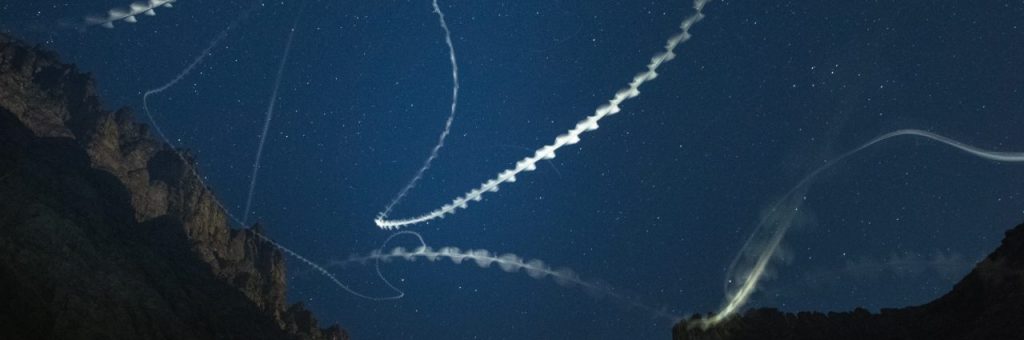
The National Geographic Society’s former senior writer and editor Douglas Main recently published an article discussing the grizzly bear-army cutworm moth relationship along Continental Divide areas of the Rocky Mountains where their summer ranges overlap. The piece features remarkable photographs by Steven Gnam, who served as a field technician on our project for multiple field…
-
TWS Conference Poster – Rocks & Sky
On November 9th, we’ll present our research findings during a poster session at The Wildlife Society’s national conference in Spokane. The conference caters to folks in wildlife careers from students on up the professional ranks. The week long conference typically attracts around 2000 participants and is filled with research presentations, meetings, and events. Our poster,…
-
Thesis Defense

From the July 6th, 2022 Billings Gazette: At times, finishing my thesis felt like what the the character on the right looks like! The cartoon is the author’s depiction of what his recent experience “fighting off” army cutworm moths at his cabin in the woods felt like. During their migration to the Rockies, the moths…
-
2021 Field Results

We documented 65 grizzly bear groups foraging in 9 of 29 survey units and recorded different levels of army cutworm moth abundance at two close proximity survey units
-
Honoring Burt Bjorling

Our friend and field technician, Burt Bjorling, passed away in September, shortly after completing his tremendous voluntary contributions to project field operations. In the summers of 2019 and 2021 Burt worked in a full-time capacity, step-in-step with project field technicians half his age. All who worked with Burt appreciated his goodwill, even-keelness, and steadiness. As…
-
Help us crowdfund for a summer 2021 field technician
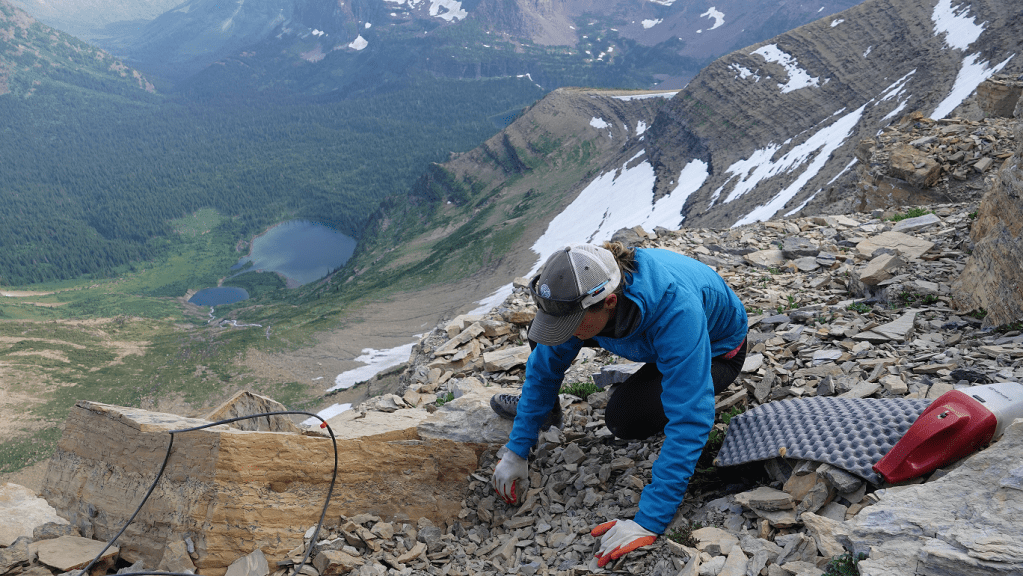
Are you interested in helping to fund our field research? We’ve launched an online campaign at https://experiment.com/bearbutter to crowdfund $5040 to hire one full-time field technician this summer, our last season of data collection. Our operating budget for the summer will be using carryover funds from 2020 and is insufficient to support a paid field…
-
2020 Field Results
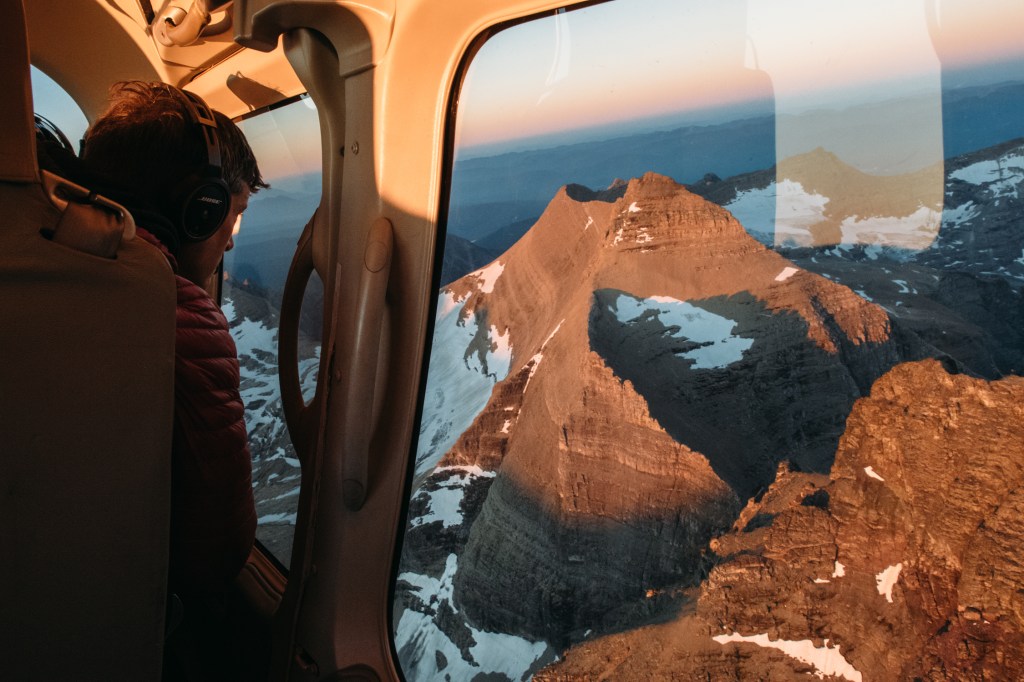
We covered a lot of ground and air in 2020! A dozen field techs contributed to one or more ground survey efforts in Glacier National Park. Due to COVID-19, we unfortunately weren’t able to ground survey areas in Akamina-Kishinena Provincial Park or Waterton Lakes National Park. However, we conducted our aerial surveys as planned, with…
-
Team Army 2020
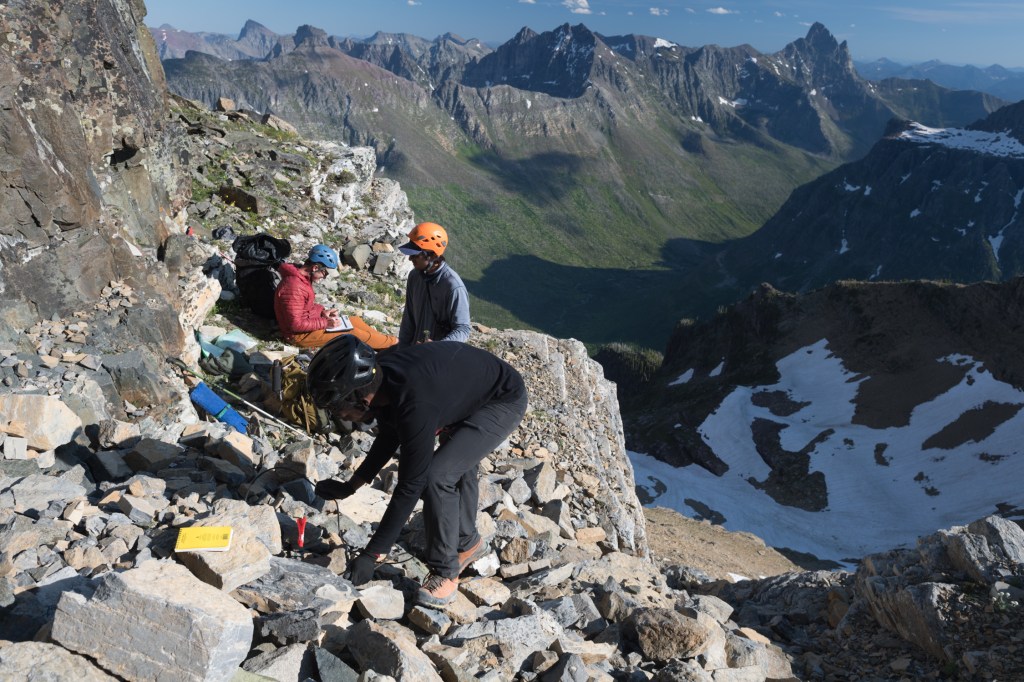
Just like you, the last year has been full of challenges, stress, and uncertainty due to COVID-19. Particularly concerning for our project, 2020 was slated to be our ‘big’ field season, staffed by a squad of field technicians. Thanks to open dialogue among project collaborators and a shared interest in taking proactive mitigation measures, our…
-
What is an army cutworm moth & why do grizzlies eat them?

Army cutworm moths (Euxoa auxilliaris, ACM), also commonly called miller moths, are one of a number of cutworm moth species found in North America. The moths are migratory, splitting their annual lifecycle between low elevation plains/basin habitats and high elevation mountain talus slopes. Army cutworm moths possess a 1-2″ wing span and are identifiable by…
-
2019 Field Results
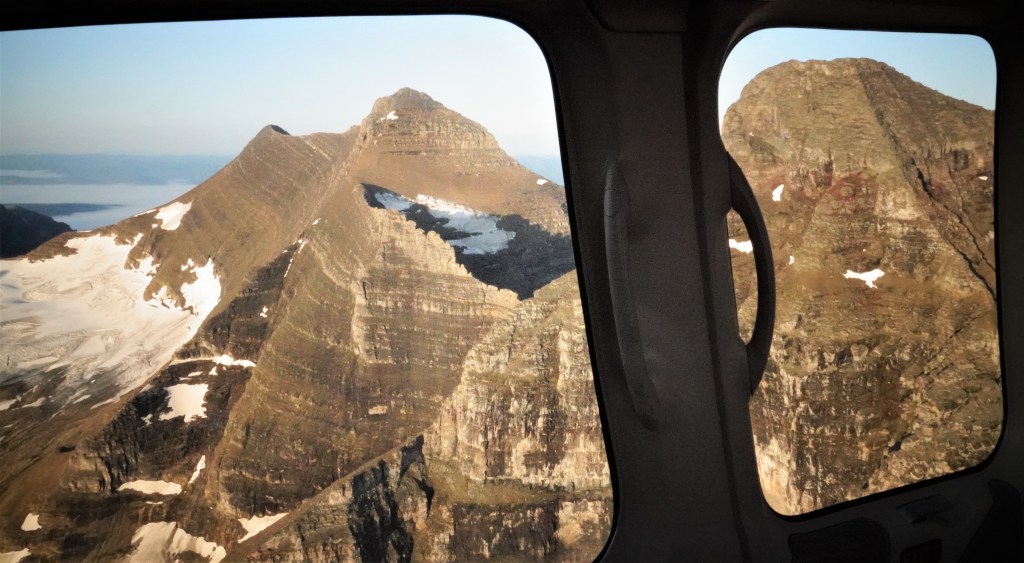
In 2019 our team conducted field research across the transboundary study area from mid-June through September. The vast majority of effort occurred in Glacier. Repeated survey effort in Waterton provided beneficial insights into army cutworm moth use of talus. This was achieved thanks to collaborating-assistance from WLNP staff. Access into Akamina-Kishinena Provincial Park in British…

Bear Butter
Understanding grizzly bear appetites for army cutworm moths in the Crown of the Continent
 Bear Butter